

HOA LU THI TAP – Vietnam Epic Poem deeply in religious meditation
“Hoa Lu Thi Tap” is a collection of 121 poems written by Prof. PhD Hoang Quang Thuan, President of the Institute of Telecommunication Technology under the Vietnam Academy of Science and Technology. The epic poems tell readers about a historic period 1,000 years ago spanning the Dinh, Le and Ly dynasties of Vietnam until 1,10 when King Ly Cong Uan moved the royal capital from Hoa Lu to Thang Long.
After having been published, a book of Hoa Lu (Hoa Lu Thi Tap) got highly appreciate foreign and domestic critics.The Record Information Handbook quoted the following judge of Dr. DAVID G. LANOUE – Xavier University, Lousiana, USA. He alongs with Thai Ba Tan author translated the poem into English:

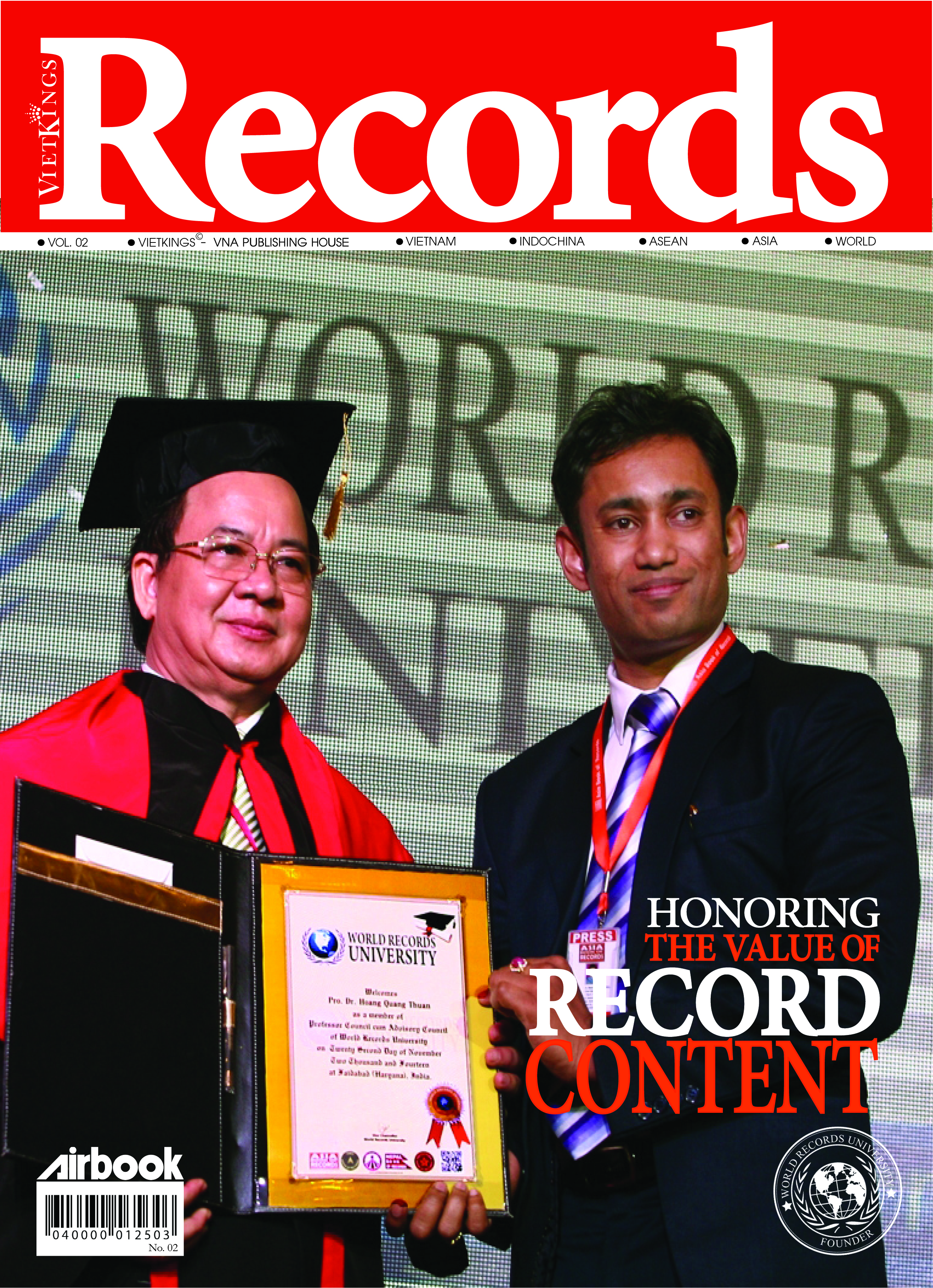
Prof. PhD Hoang Quang Thuan, President of the Institute of Telecom Technology
“Hoang Quang Thuan opens a door to the past, welcoming his readers to a half-forgotten age of dragons and phoenixes, fairies and unicorns, gods and hero-kings. His poems, gathered in this book, exude a deep and genuine love for a “land of fairy caves among cloudy peaks” with sacred mountains, voluptuous caves and auspicious streams: the Great Viet now know as Vietnam:
Nghìn năm mưa nắng với đất trời
Thành cổ Hoa Lư giữa mây trôi
Vách núi dựng cao trời đất nước
Cờ lau gió thổi mãi không thôi
(Trường Thành)
Exposed to the whims of weather and time
the ancient captial, Hoa Lu, now can only be imagined;
a land of sky-reaching mountains and rocks
with white, withered reeds swaying in the wind
(Long Wall)
With a keen eye and intuition akin to that of a feng shui master, Thuan describes and presents the unique personality and history of this land´s beloved mountains, caves and bodies of precious water, placing particular emphasis on its caves: subterranean Fairylands where we encounter sleeping elephants, singing apes, a fallen drunk, a monk in perpetual meditation, an old man forever fishing, and others engrossed in a never-ending game of chess.
Thuan´s feelings of love for, and pride in, this ancient place, this sacred land of the Viet people, is tinged with a sense of loss for the past glories of olden times: the pagodas, the temples, the sky-scraping towers, the sumptuous palaces where dazzling beauties once danced, the cloud-wrapped citadels and, above all, the capital, Hoa Lu, its flags flying bravely in the wind:
…Đàn xưa cung nữ múa bên sân
Trăm quan chầu trước cửa bệ rồng
Vua Đinh bào tía thời cung kiếm
Gió thoảng mây ngàn giữa hư không
(Cung Điện Triều Đính)
…Where imperial beauties once dance to sweet music
where the great king, splendid in his mantle and arms
sat on a dragon throne flanked by high officials...
now, only an air of longing for that which is gone
(Palaces of Dinh Dynasty)
Though he erases, through the sorcery of his words, a thousand years of history to show us what once was, the poet also reminds us, in verses imbued with a Buddhist feeling of impermanence, that many of the splendors that he celebrates now are gone or in ruins. However, he tells also of contemporary efforts to restore and rebuild the treasures of the past, expressing, ultimately, a feeling of optimism and renewal.
In their original form, these quatrains follow a strict rhyme scheme of A-A-B-A. I have not attempted to duplicate this in English. Adding rhymes (and, inevitably, forcing rhymes), I feared, would result in a distortion of the elegant simplicity and charm of the original poems. For this reason, I instead strove to achieve, as best I could, the incantatory beauty of Thuan´s verses by means of musical sound effects, focusing especially on rhythm, alliteration and assonance. My task, though challenging, was made easier than it might have been, even pleasant, thanks to the help of my collaborator Thai Ba Tan, who provided the basic ideas and images of the poems and patiently answered all my questions with grace and insight.
I am happy to help usher into English this extraordinary work of both historical and literary merit—a book that truly deserves to be read worldwide. I am equally happy, and honored, to have been invited to contribute to and participate in this millennial celebration of Thang Long: Hanoi, a capital famous for its rich cultural heritage.”

 Fansipan itself is an attraction of Sapa area as well as Northern Vietnam. The peak is part of Hoang Lien Son mountain range, which is under the protection of Hoang Lien National Park. The trip offers you an opportunity to explore the beautiful nature and challenge yourself.

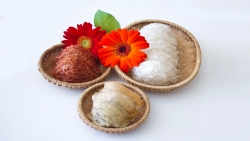 Record Owner :Khanh Hoa Salanganes Nest Co.,Ltd.
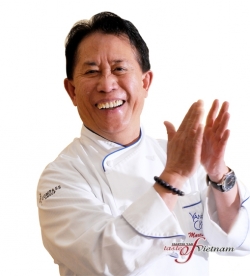 The series of program on promoting culinary tourism Vietnam was invested on the largest scale by a media company
 Pepsico Suntory Company organised a feast "UP" and Seafood" ang set the record for the longest seafood banquet table in Vietnam and Asia on 5-7 at DIC beach resort, Vung Tau City
 Visitors travelling to Moc Chau in any seasons of the year, Winter or Summer, Spring or Autumn, will have interesting experiences about the scene and lifestyle of this most beautiful large highland in the Northwestern region of Vietnam.
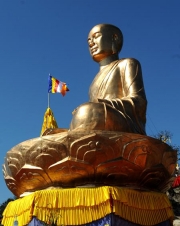 A ceremony to inaugurate the statue of King-Monk Tran Nhan Tong was held at Yen Tu historical site in the northern province of Quang Ninh on Tuesday.
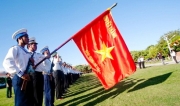 Welcome to the week of Vietnam's Sea - Island ( 01.6.2014 - 08.6.2014 ) ,Vietnam Book of Records announced 10 officially Records of Vietnam's Sea - Island 2014.


Headquarter: 148-150 Hong Ha, 9 Ward, Phu Nhuan District, Ho Chi Minh City
Tel: (+84)8 384 78965 - Fax: (+84)8 384 78904 - Hotline: +(84) 903 727 624; +(84) 01288 617 009
Email: noidungkyluc@gmail.com